
Single Girder Goliath Crane
Introducing the Single Girder Goliath Crane, a powerhouse solution designed for unparalleled efficiency in heavy lifting and outdoor applications. With its robust structure and precise engineering, this crane effortlessly navigates expansive work sites, providing you with the reliability and strength needed for demanding tasks. The Single Girder design not only optimises space but also enhances load capacity and operational speed, making it an essential tool for industries ranging from construction to shipping. Experience the perfect blend of innovation and functionality with Cobal Cranes, where we redefine your lifting possibilities.
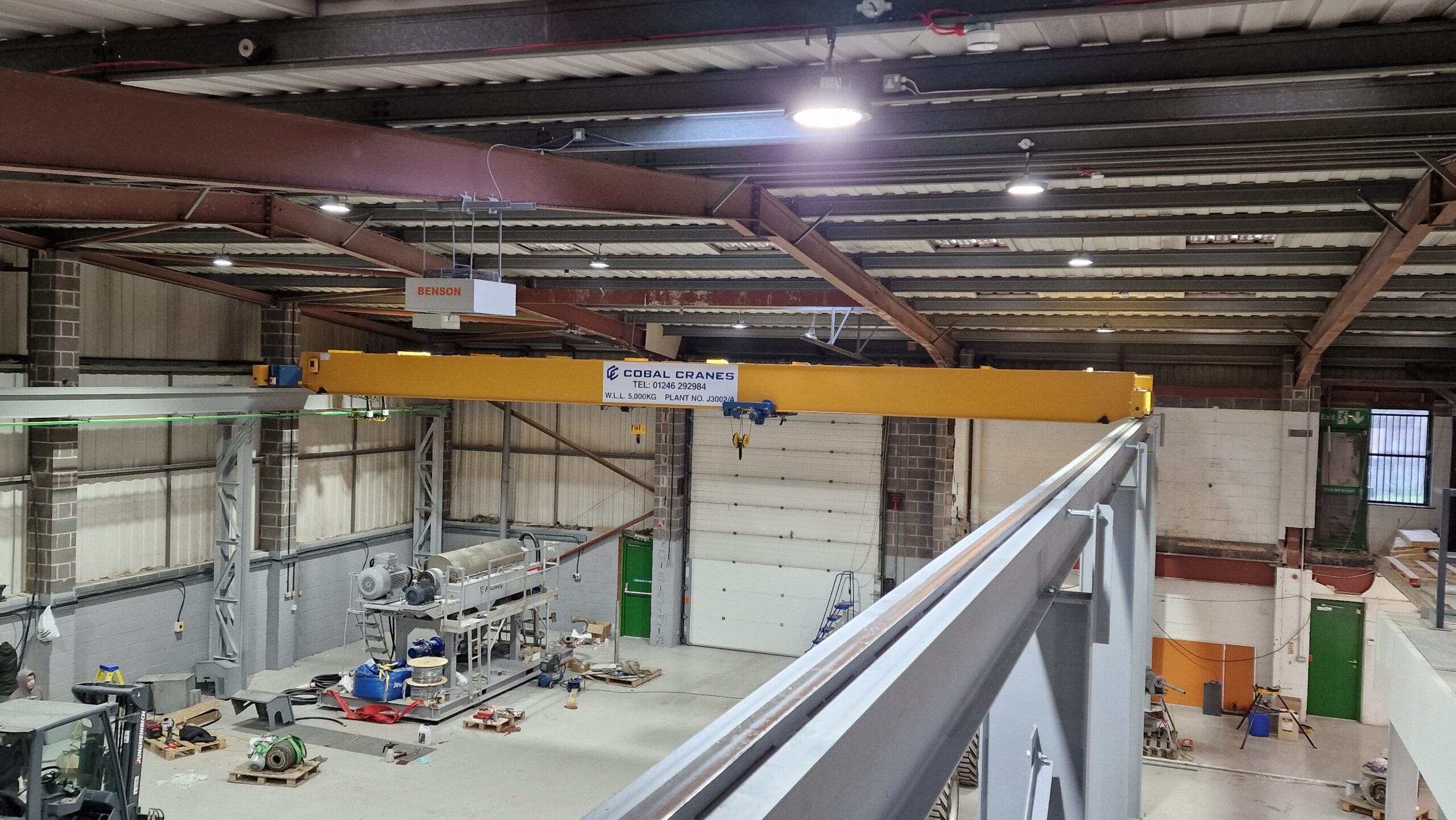
The Single Girder Goliath Crane: An Economical and Versatile Lifting Solution
A single girder goliath crane, often interchangeably referred to as a single girder gantry crane, is a staple in the heavy material handling industry, particularly in outdoor stockyards, fabrication facilities, and construction sites. Defined by its fundamental structure – a single horizontal bridge girder supported by two A-frame legs that travel along rails fixed to the ground – it represents an economical and efficient alternative to traditional overhead traveling (bridge) cranes.
Unlike its overhead counterparts, the goliath crane is self-supported, requiring no permanent, load-bearing building infrastructure, which dramatically reduces initial capital expenditure and construction complexity. This essay will examine the design mechanics, operational principles, key advantages, and diverse industrial applications that solidify the Single Girder Goliath Crane’s crucial role in modern logistics and manufacturing.


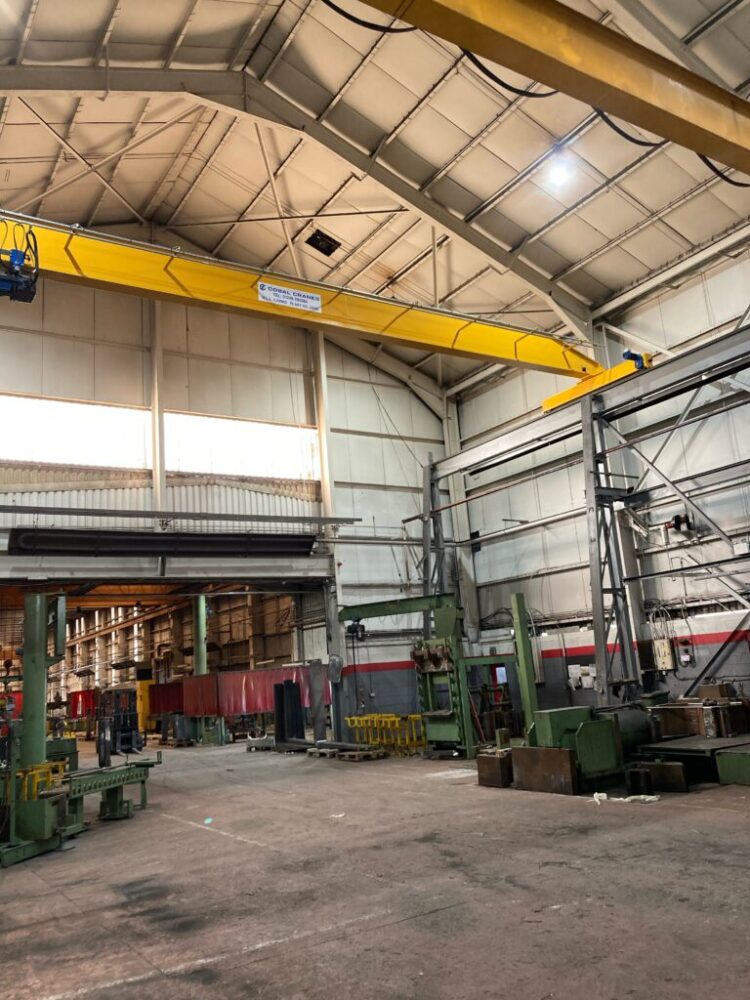
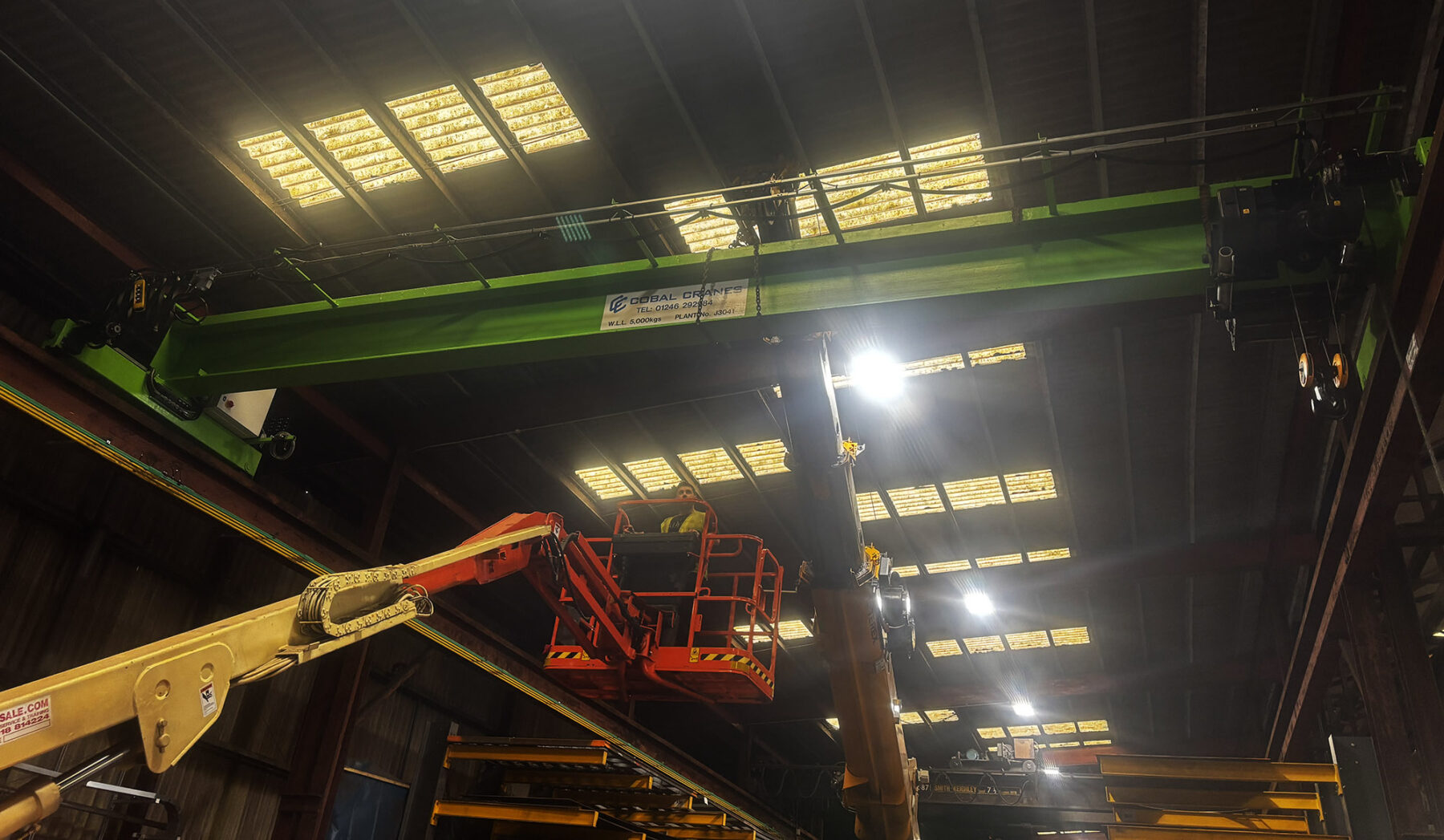
Structural Design and Operational Mechanics
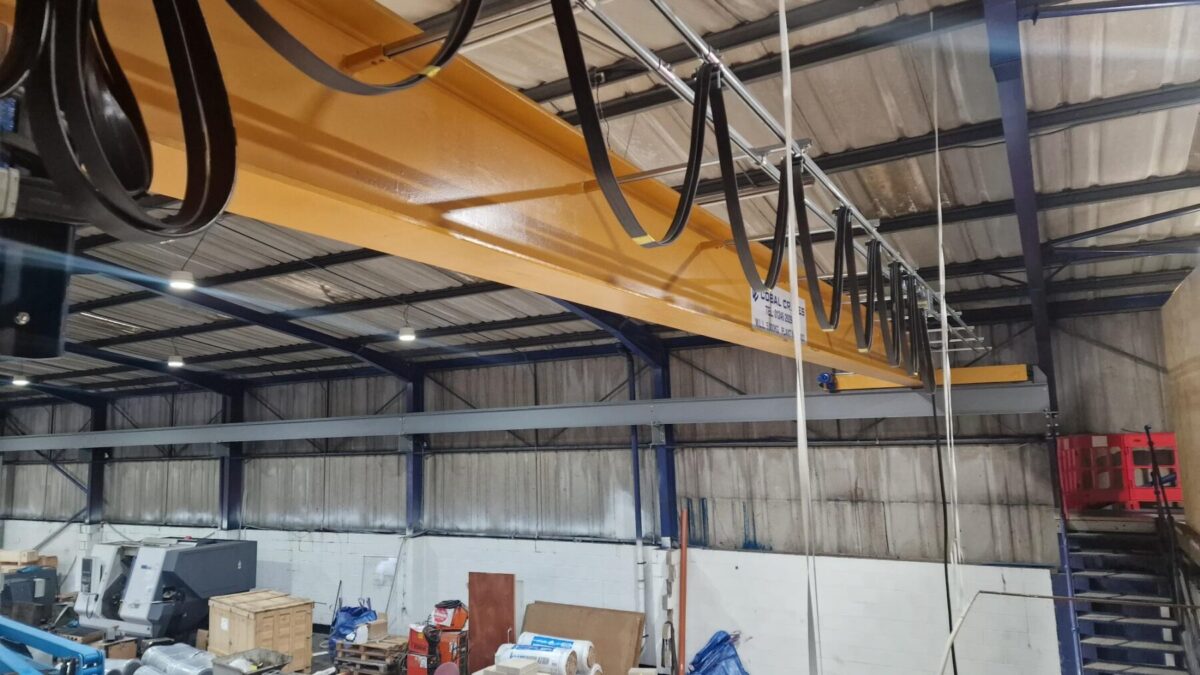
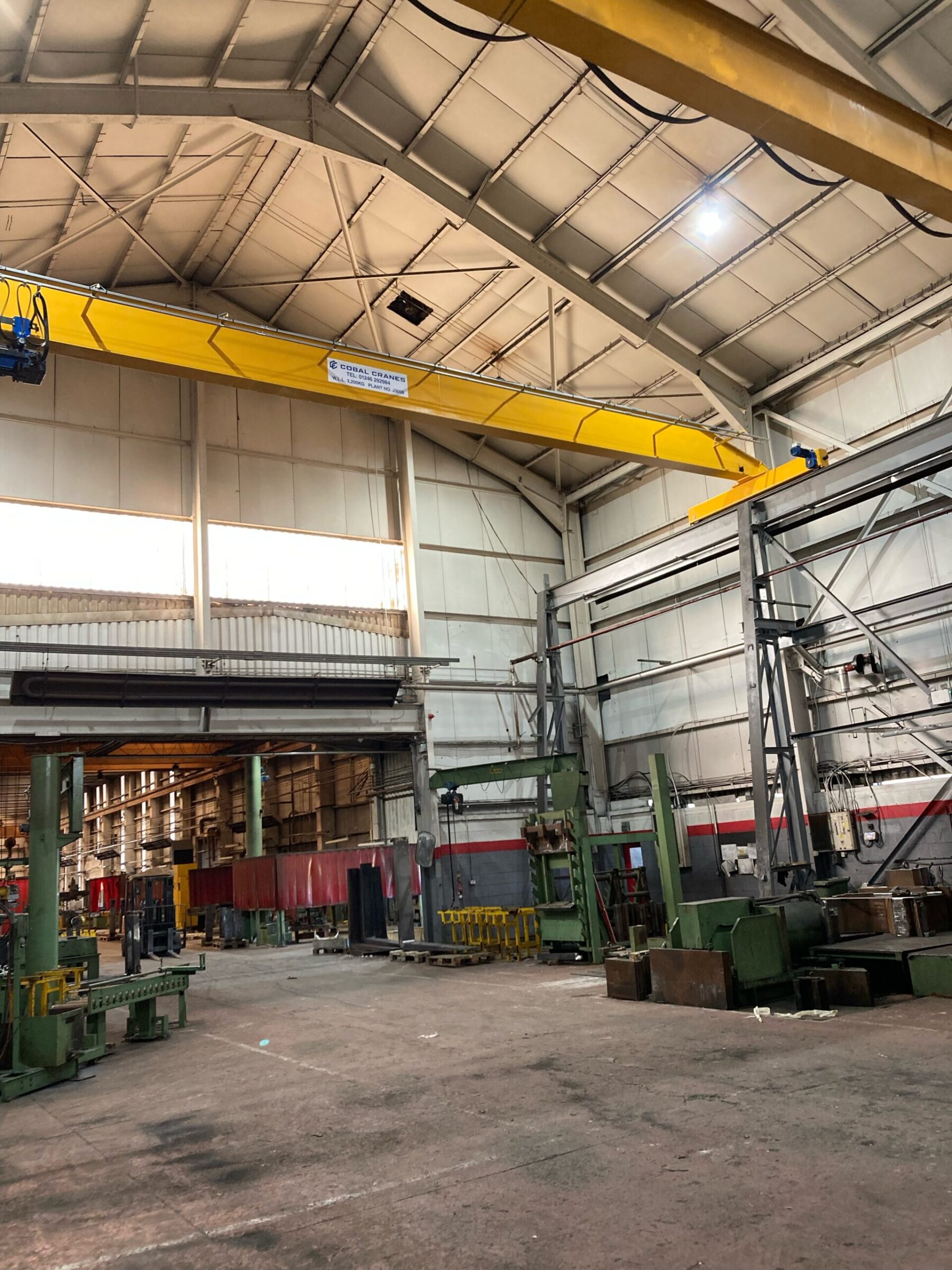
The fundamental design of a Single Girder Goliath Crane is defined by its core components, which facilitate movement across three axes, known as degrees of freedom. The primary load-bearing structure is the main girder, typically a box-type welded structure or an I-beam profile, which spans the width of the working area. This single girder arrangement is significantly lighter than the double girder configuration, contributing to the crane’s cost-effectiveness and lower wheel loads. The main girder is supported by two or more rigid or hinged legs (outriggers) which rest on end carriages equipped with motorised wheels. These wheels run along ground-level rail tracks, enabling the crane’s longitudinal movement, known as Long Travel (X-axis).
Attached to the underside of the main girder is the hoist and trolley mechanism. The trolley, which typically contains an electric wire rope or chain hoist, utilises the lower flange of the single girder as its runway. This mechanism is responsible for the lateral movement, or Cross Travel (Y-axis), allowing the load to be positioned anywhere along the crane’s span. Finally, the hoist provides the vertical movement, or Lifting (Z-axis), through a wire rope or chain system connected to the hook. Modern gantry cranes are almost exclusively controlled by Variable Frequency Drives (VFDs) and remote or pendant controls, which ensure smooth acceleration, deceleration, and precise load positioning, thereby mitigating load swing and enhancing safety.
Key Advantages and Load Capacity of Single Girder Goliath Cranes
The single girder configuration offers several distinct advantages, making it the preferred choice for light to medium-duty applications (up to approximately 20 tons). The most significant benefit is cost efficiency. Due to the simpler structure, fewer materials are required for manufacturing the girder and supporting framework, leading to lower production, transportation, and installation costs.
Furthermore, its ground-based operation is crucial for facility planning. By eliminating the need for expensive gantry steelwork or building columns to support the runway, the gantry crane system can be implemented in open yards or existing buildings that lack the structural integrity to support overhead cranes. This design also provides a greater effective lifting height compared to double girder cranes, as the hoist runs beneath the beam, maximising the available vertical space. This adaptability also includes the ability for the crane to be easily disassembled and relocated, offering high flexibility for temporary or evolving construction projects.
Widespread Industrial Applications
The versatility and robustness of the Single Girder Goliath Crane enable its use across a diverse range of heavy industries. Its inherent suitability for outdoor operation, often featuring weatherproofing and an optional driver’s cabin, makes it indispensable in material stockyards, such as steel processing facilities and timber yards, where large volumes of raw materials need to be moved frequently.
In the precast concrete industry, these cranes are vital for lifting heavy moulds, positioning reinforcement cages, and transporting cured concrete sections within the casting yard. They are also common in shipyards, where smaller gantry cranes assist in block assembly and component handling before the massive double girder goliath cranes take over the full hull sections. In manufacturing environments and workshops, they are used for intermittent lifting, machinery installation, and general assembly work, proving that the Single Girder Goliath Crane is not just an economical choice but a highly capable and essential piece of industrial equipment, perfectly blending simplicity of design with crucial lifting functionality.