
Overhead Gantry Crane
The overhead gantry crane, often interchangeably called a Goliath crane or simply a gantry crane, is a crucial piece of lifting equipment in modern industrial environments. While often confused with the traditional overhead bridge crane, the key distinguishing feature of a gantry crane is its self-contained support structure. Unlike bridge cranes, which are typically supported by the fixed structure of a building’s walls or columns, a gantry crane uses vertical supporting legs with wheels or bogies that run on rails or directly on the ground. This defining characteristic makes the gantry crane highly versatile, capable of operating both indoors and outdoors, and often easier to install and relocate than its fixed-runway counterparts.
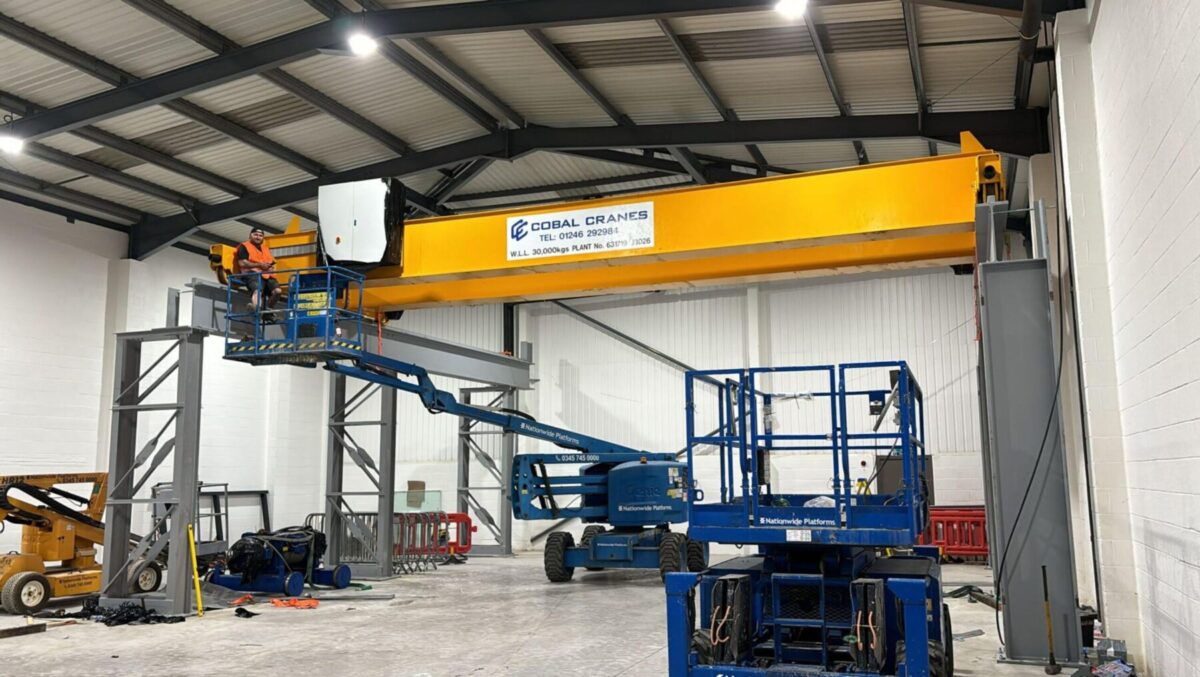
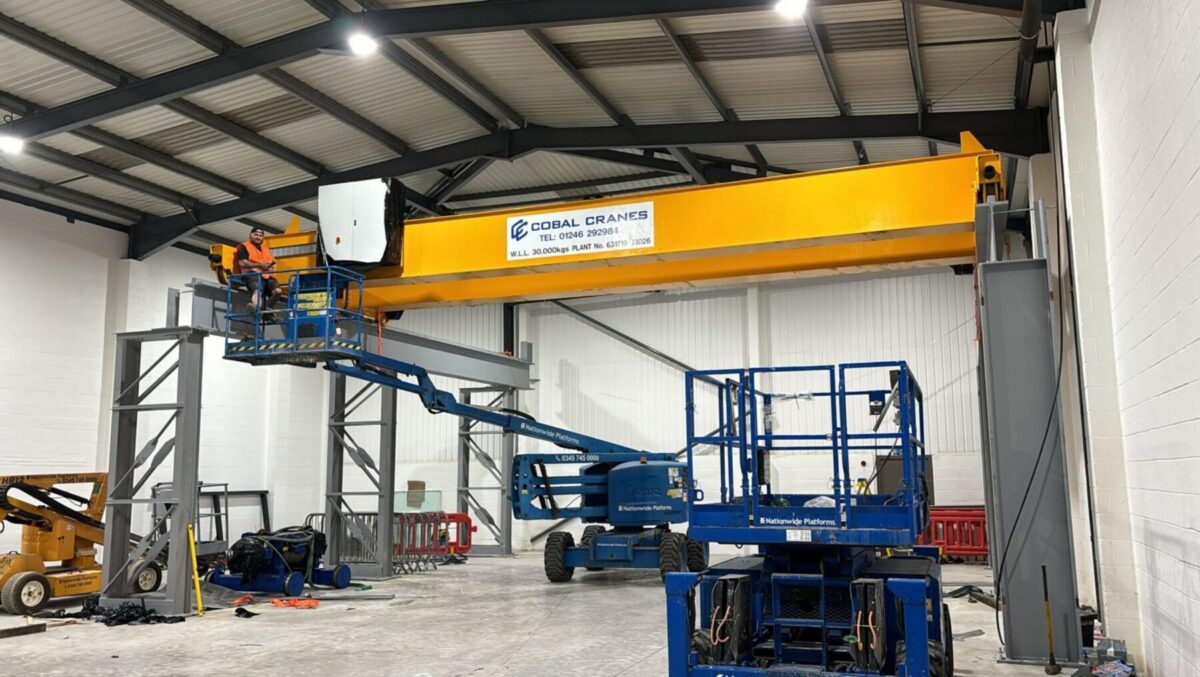
The Overhead Gantry Crane: Lifting the Weight of Industry
At its core, the overhead gantry crane consists of several fundamental components working in concert to achieve three-dimensional load movement. The main bridge or girder is the horizontal beam that spans the width of the working area. This girder is supported by two or more legs that form the overhead gantry framework. A trolley holding the hoist mechanism travels horizontally along the length of the bridge. The hoist, which may use a wire rope or chain, is the component responsible for the vertical movement—lifting and lowering the load via a hook or a specialised attachment. The entire system achieves movement along the length of the work area (long travel) via the wheeled end trucks at the base of the supporting legs, providing comprehensive coverage of the workspace.
Gantry cranes are categorised based on their structure and mobility to meet diverse application needs. Full overhead Gantry Cranes feature two supporting legs, running on rails embedded in the floor, and are the most common arrangement, often used for heavy lifting in shipyards and fabrication shops. Semi-Gantry Cranes are asymmetrical, with one side running on a floor rail and the other side supported by a runway beam mounted high on a building column, saving valuable floor space while still offering robust lifting capability. Beyond structure, cranes are classified by their girder design: Single Girder cranes, which are more economical and typically used for lighter loads (up to about 20 tons), and Double Girder cranes, which provide higher capacity, greater stability, and improved hook height, often exceeding 250 tons in specialised process applications.
The Functions of a overhead gantry crane
The functional versatility of these cranes makes them indispensable across numerous heavy industries. In shipping ports, massive ship-to-shore gantry cranes are essential for efficiently loading and unloading intermodal containers from vessels. In manufacturing and fabrication, gantry cranes move raw materials, heavy machinery, and finished products between workstations. Their outdoor capability makes them ideal for use in construction sites and precast concrete yards where large, heavy elements need to be maneuverer precisely.
Given the immense weights involved, safety is the paramount consideration in all gantry crane operations. Hazards include dropped loads, collisions, and operator error. To mitigate these risks, modern cranes integrate multiple safety features, such as overload protection devices that automatically cut power when limits are exceeded, limit switches to prevent over-travel of the hoist or bridge, and anti-collision systems. Safe operation relies heavily on strict protocols, including comprehensive pre-shift inspections of all components, proper load-lifting protocols (rigging techniques and weight assessments), and certified (Loler) operator training, often requiring effective communication with ground personnel via signals or radio to ensure the safe, efficient, and precise transportation of heavy payloads.




By Structural Support and Mobility:
Full Gantry Cranes: Feature two vertical supporting legs that run on rails embedded in the floor. They are completely self-supporting.
Semi-Gantry Cranes: Asymmetrical in design, with one side supported by a floor rail (via a leg) and the other side supported by an elevated runway beam attached to a building column.
By Girder Design:
Single Girder Cranes: Use a single horizontal beam (girder) for the bridge. They are economical and suited for lighter lifting applications (typically up to 20 tons).
Double Girder Cranes: Use two horizontal beams for the bridge. They offer higher load capacity, superior stability, and allow for better hook height, often used for heavy-duty applications (up to 250 tons or more)