
LOLER Inspections
LOLER Inspections are a critical part of health and safety in workplaces that use lifting equipment. LOLER stands for the Lifting Operations and Lifting Equipment Regulations 1998. In short, a LOLER Inspection (also known as a Thorough Examination) is a detailed, systematic inspection of lifting equipment and lifting accessories by a competent person to ensure they are safe, fit for purpose, and legally compliant with the UK regulations.
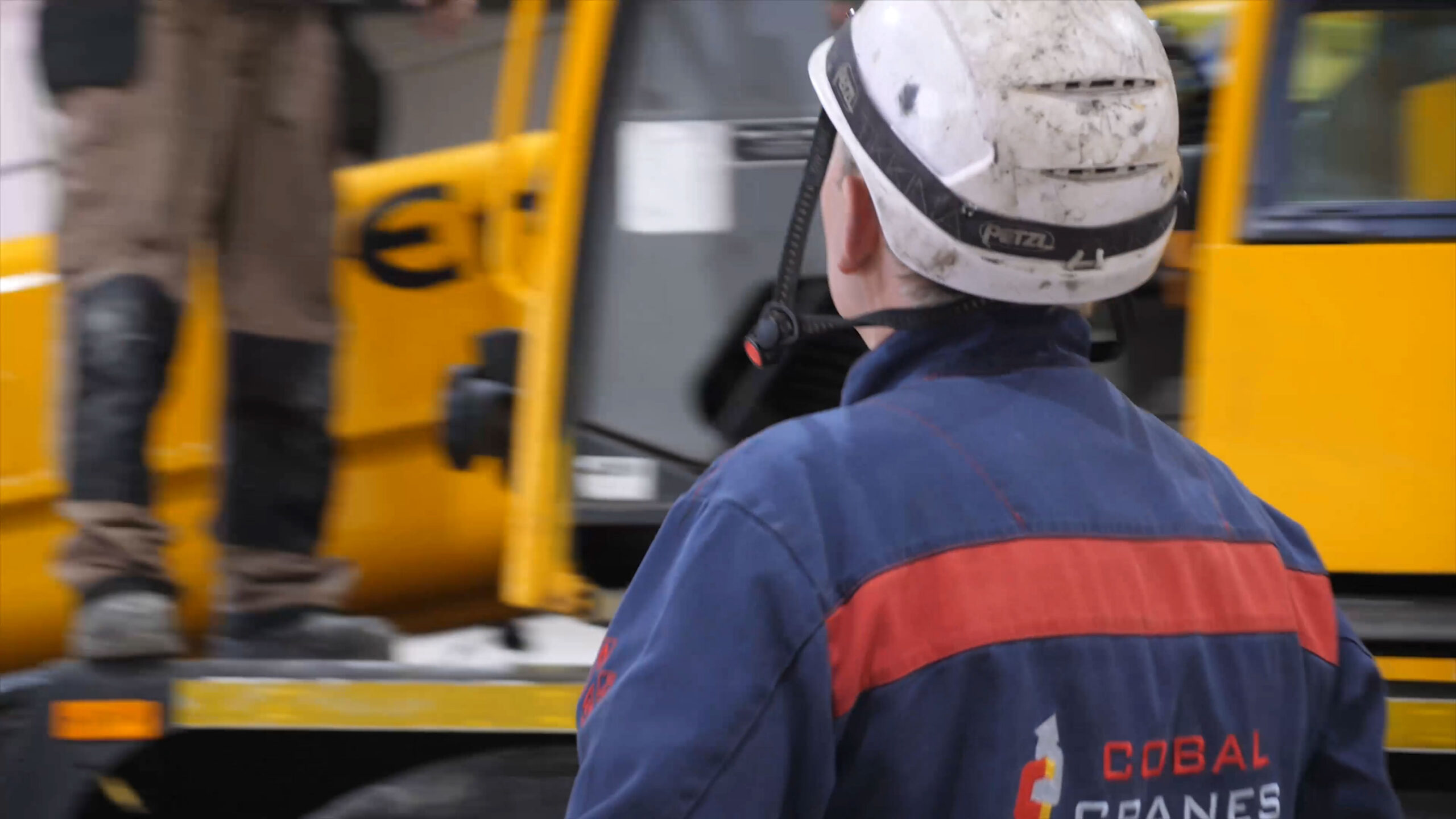
Loler Certificate Requirements
Purpose
To ensure all lifting equipment is safe, strong, stable, and suitable for its intended use, and that lifting operations are properly planned, supervised, and carried out safely.
Who conducts Loler Inspections
A competent person – someone with the necessary practical and theoretical knowledge and experience to detect defects and assess their importance to safety. They must be sufficiently independent and impartial.
Equipment Covered
Cranes, hoists, vehicle lifts, passenger lifts, goods lifts, mobile elevating work platforms (MEWPs), and all lifting accessories (slings, shackles, eyebolts, etc.).
Required Frequency
Every 6 months for: Equipment used to lift people (e.g., passenger lifts, patient hoists). Lifting accessories (e.g., chains, slings, shackles). Every 12 months for all other lifting equipment (e.g., most forklift trucks, overhead cranes).
Other Times Required
Before first use (unless equipment has a valid EC Declaration of Conformity less than 12 months old and wasn’t assembled on site), or following a major repair or damage.
Outcome of Loler Inspections
A written Report of Thorough Examination is provided. If a defect is found that could cause immediate danger, the competent person must notify the duty holder and the relevant enforcing authority immediately.


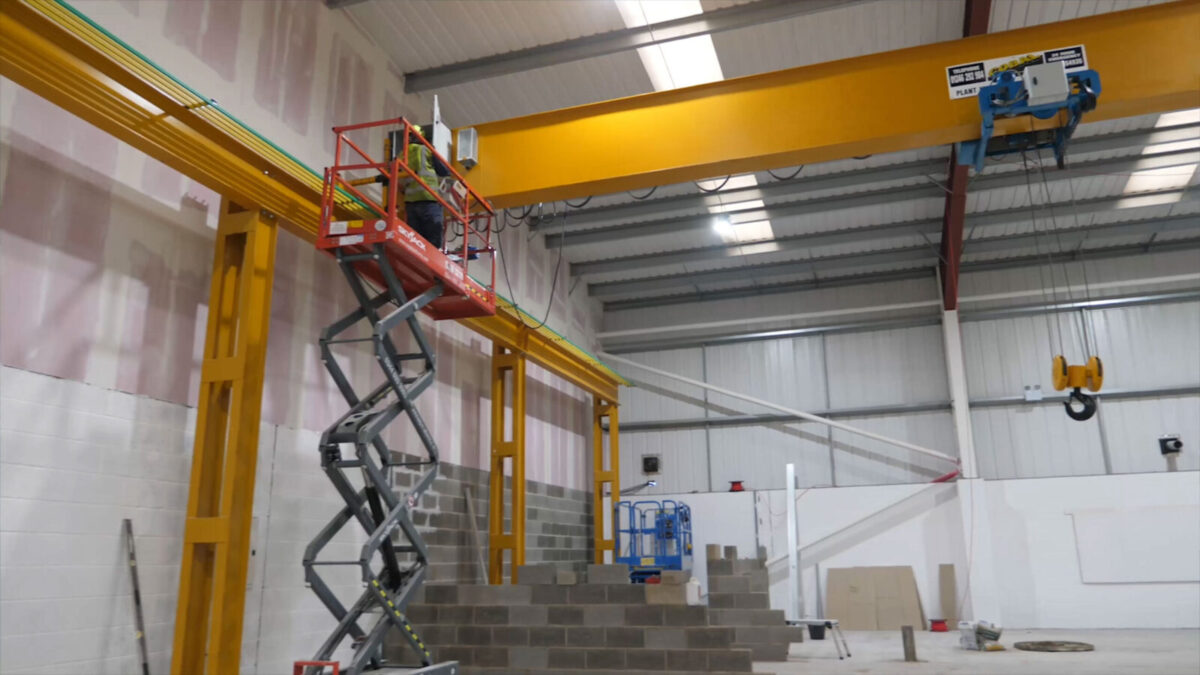
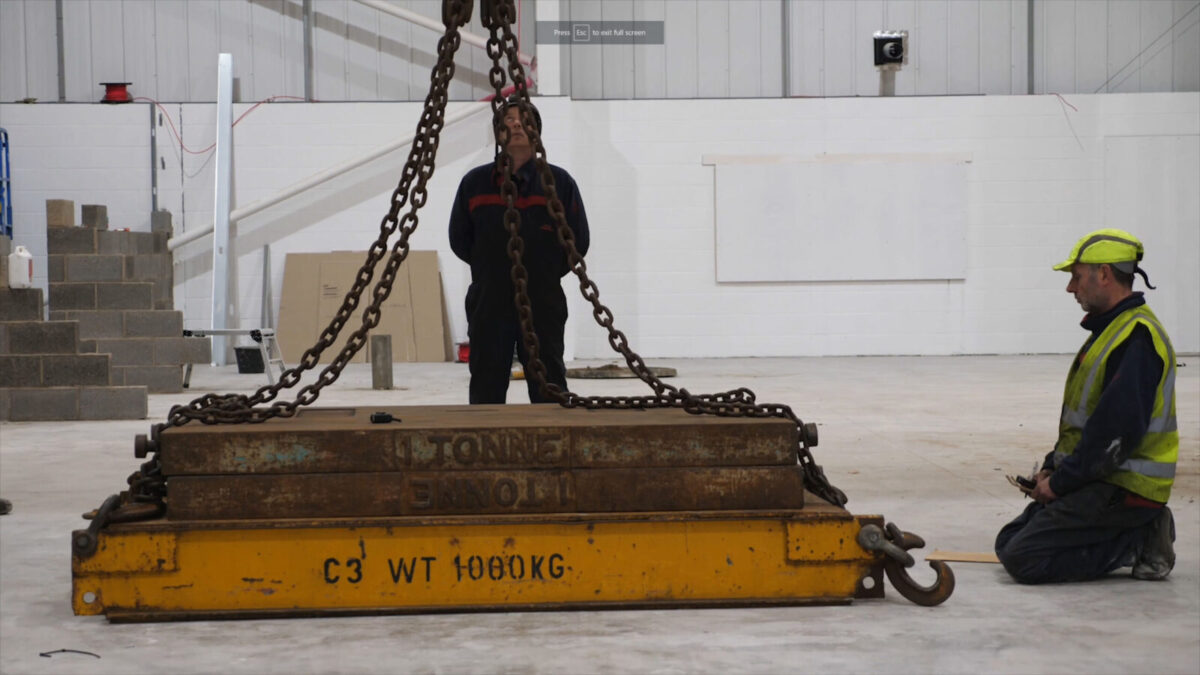


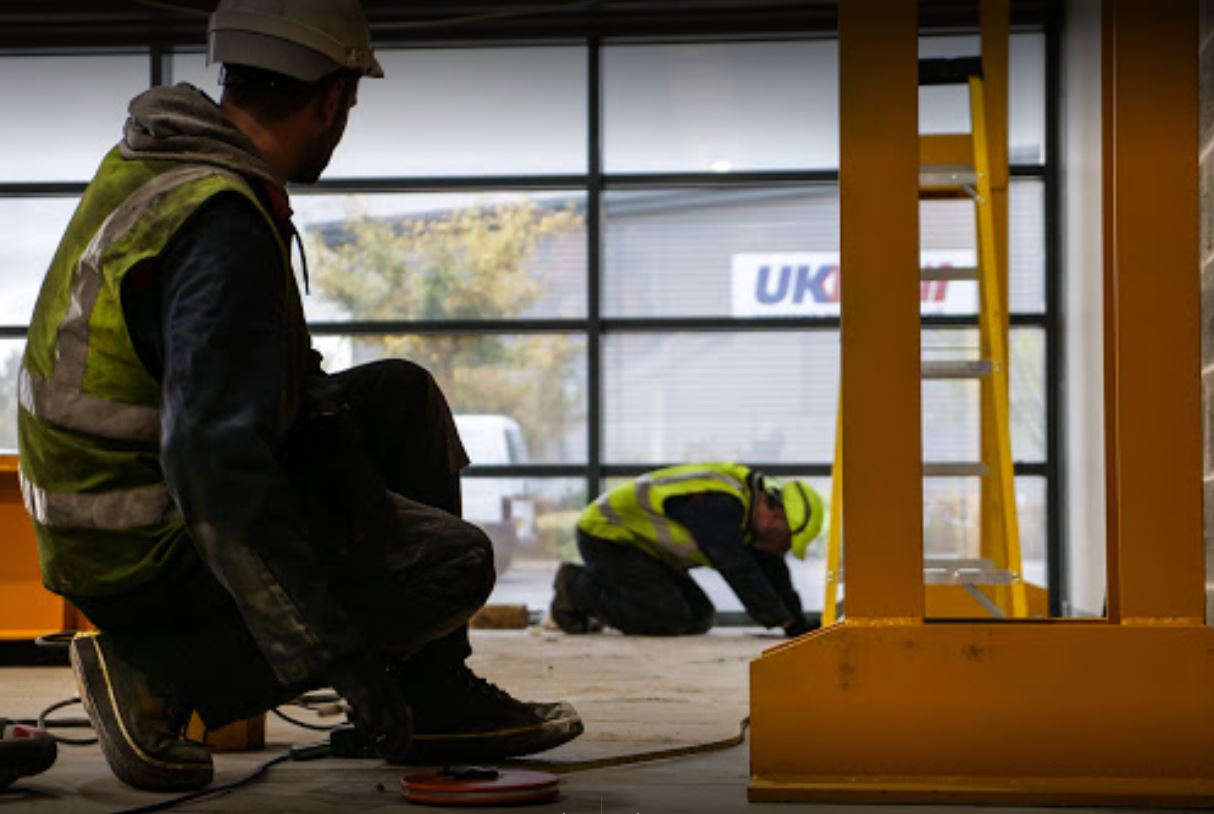
What are the checks in Loler inspections?
A LOLER inspection, officially called a Thorough Examination under the Lifting Operations and Lifting Equipment Regulations 1998 (LOLER) in the UK, is a systematic and detailed check carried out by a competent person.
The goal is to ensure the lifting equipment is safe for continued use and has not deteriorated to a dangerous extent.
The checks performed are extensive and typically cover the following key areas:
Key Inspection Areas
Structural Integrity:
Checking for signs of damage, cracks, distortion, wear, or corrosion in the equipment’s frame and load-bearing components (e.g., chains, ropes, hydraulic cylinders).
Verifying that all bolts, welds, and fastenings are secure and in good condition.
Mechanical and Safety Components:
Examining moving parts (gears, pulleys, chains) for excessive wear and smooth operation.
Checking braking systems, limit switches, and other control systems to ensure they are fully functional and operate correctly.
Testing emergency stop buttons, alarms, and safety interlocks.
Looking for leaks in hydraulic or pneumatic systems.
Suitability and Marking:
Confirming the equipment is suitable for its intended use and the environment it is operated in.
Verifying that the Safe Working Load (SWL) is clearly marked on the equipment and lifting accessories.
If the equipment is used for lifting people, additional checks are made to ensure all safety precautions (like gates, barriers, and harnesses) are in place, and the maximum capacity is clearly marked.
Lifting Accessories:
Thoroughly inspecting slings, chains, ropes, hooks, shackles, and other accessories for fraying, stretching, deformation, or any other damage.
Ensuring hooks and other fastenings are in good working order.
Operational and Environmental Factors:
Observing the equipment’s functionality during operation, often including a test lift, to ensure it lifts and lowers loads smoothly and safely.
Assessing the environment and positioning/installation to ensure there are no hazards that could interfere with safe operation.
Documentation and Records:
Reviewing previous Thorough Examination reports, maintenance logs, and manufacturer’s guidelines.
Confirming that the equipment has been examined at the required intervals (e.g., every 6 or 12 months, depending on the equipment type).
Important Notes on LOLER:
Competent Person: The examination must be carried out by a “competent person” who has the necessary theoretical knowledge, practical experience, and independence to detect defects and assess their importance.
Report: Following the examination, a written report is produced detailing the condition of the equipment, any defects found, and the date the next examination is due.
Action on Defects: If a defect is found that is (or could become) a danger to people, the person responsible for the equipment must be notified immediately and the equipment must be taken out of service until the defect is remedied.
Would you like me to find out the required frequency for LOLER inspections for a specific type of lifting equipment, such as a crane or a patient hoist?